



|
Quantity
|
Out of stock
|
||
|
|
|||
|
|
|||
Nail Prep — the Foundation of a Long-Lasting Manicure
Nail prep is three steps before a manicure: disinfection, degreasing, and primer for bonding the material to the nail.
Why prep is the foundation
No matter how great your base or gel is — if the nail isn't prepped properly, lifting is just a matter of time. Prep is the step the client never sees, but it's what decides whether a manicure lasts for weeks or starts lifting after a couple of days.
What you need for the job
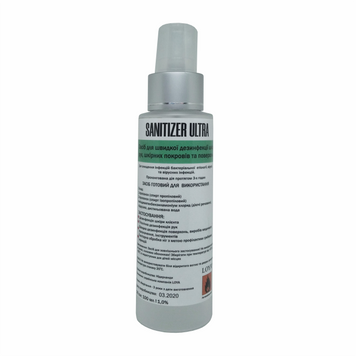
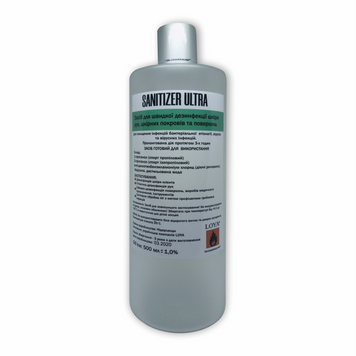
Disinfectant — the first step: you treat your client's hands and your own, removing the risk of infection and irritation. Basic hygiene that every procedure starts with.
Cleanser (degreaser) removes the natural oil layer from the nail plate before applying material, and the tacky layer after curing gel. Without it, even the best base will just "slide off" the nail within a few days.
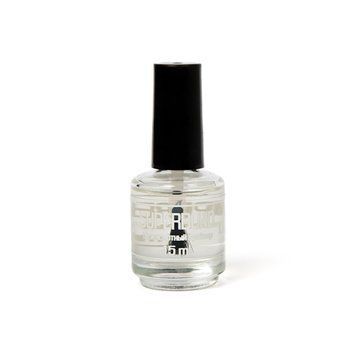
Primer — the bridge between the nail plate and the base: it boosts the bond between material and nail, especially on problem nails — thin, oily, or with a damaged surface.
Do you really need primer?
Many techs still think primer is an unnecessary marketing step and that everything holds fine without it. But here's what actually happens on the nail.
When you buff the nail plate, you remove the oil layer and slightly roughen the surface — on a microscopic level it becomes textured. That's exactly what's needed for adhesion: a smooth, oily surface just won't hold the material.
But if you apply base straight onto that surface without primer, microscopic air gaps can remain between the base and the nail. Primer fills those gaps and "glues" the base to the nail — working like double-sided tape between the natural nail and the coating.
This matters for more than just durability: if air or moisture gets trapped under the base, it creates a breeding ground for bacteria (that green spot under the coating everyone's afraid of). Primer reduces this risk by sealing the material tightly to the nail, with no gaps.
In other words, primer isn't a "just in case" step — it's the actual reason one client comes back for a fill with zero chips, while another complains about lifting within days.
How to prep nails step by step
- Shape. Use clippers or a file to shape the nails — almond, square, oval, whatever you like.
- Cuticle. Push back the cuticle with a pusher or orange stick, trim only dry hangnails. Don't use cuticle oils or removers before applying the coating — they interfere with adhesion.
- Removing shine. Lightly go over the nail surface with a 180-150 grit file — remove the surface oil layer and add light texture for adhesion. No need to overdo it: the goal isn't to thin the nail, just to prep the surface.
- Degreasing. The most important step: use cleanser to remove all dust, debris, and oil residue from the nail plate right before applying material.
- Primer. Apply a thin layer of primer — and you're ready for the base.
Pick your disinfectant, cleanser, and primer for everyday work — everything you need for proper nail prep, all in one category.
Frequently asked questions
Can I skip degreasing if the nails were just washed? No — soap and water don't remove the natural oil layer from the nail plate. Without cleanser, the material won't bond properly, even if hands look clean.
What's the difference between disinfectant and cleanser? Disinfectant is an antiseptic for hands, nails, and tools — it's about hygiene and procedure safety. Cleanser degreases the nail plate before applying material and removes the tacky layer after curing — it's about bond quality.
What's the difference between acid and acid-free primer? Acid primer is used on problem or moist nails — it draws out excess moisture and oil from deeper layers of the nail plate, drying and degreasing it. It's also used in gel/acrylic systems where you work without a base, applying gel or acrylic directly. Acid-free primer works differently: instead of "drying out" the nail, it fills microscopic gaps and bonds the base to the nail plate — the same "double-sided tape" principle described above.
Can these products be used with other brands' materials? Yes — LOYA primer, disinfectant, and cleanser are compatible with bases, gels, and gel polishes from any other brand.